Cat sneezing is usually caused by a minor irritant like dust or a strong scent, or by a common upper respiratory infection. An occasional sneeze is normal, but frequent sneezing, nasal discharge, or changes in appetite and energy are signs your cat should see a veterinarian.
Cats sneeze for many of the same reasons people do. A whiff of perfume or a cloud of litter dust can send even the most dignified feline into a quick series of “achoo” moments. Most of the time, it passes without any fuss. Sometimes, though, sneezing is your cat’s way of telling you something more is going on inside the nose, sinuses, or mouth. Because cats are experts at hiding illness, small changes like a new sneeze can offer an important early clue. At Boulder Veterinary Hospital, we help cat owners sort out normal sneezes from symptoms that need attention. Here is what you should know about the common causes, how veterinarians find the source, what treatment can look like, and when it is time to pick up the phone.
Is Your Cat Actually Sneezing?
Before digging into causes, it helps to confirm what you are hearing, since several feline respiratory sounds can be confused with one another.
What a True Sneeze Looks Like
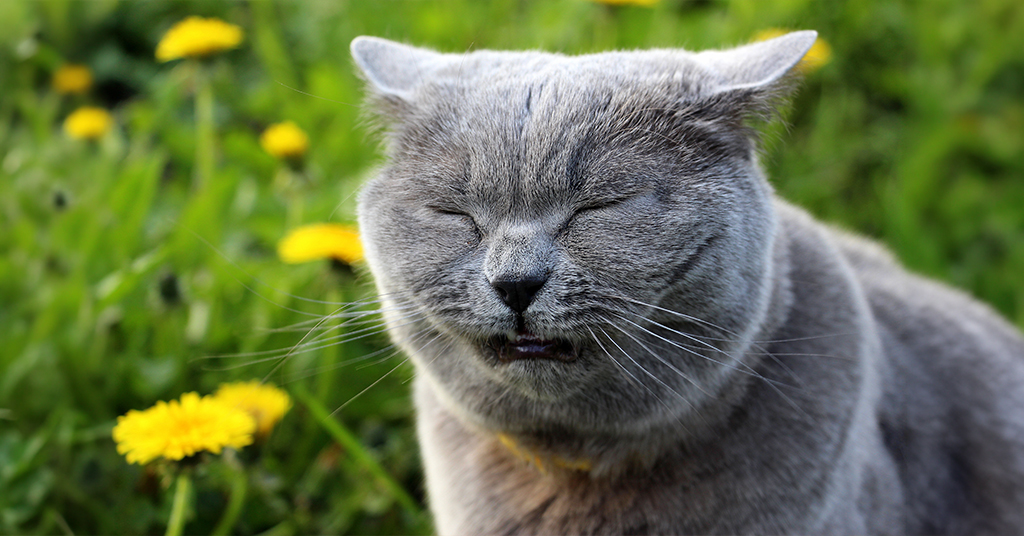
A sneeze is a sudden, forceful burst of air out through the nose and mouth. Your cat may squint, tuck the chin slightly, and produce a short, sharp sound. Cats often sneeze two or three times in a row, then carry on with their day.
How Much Cat Sneezing Is Normal?
There is no exact number that separates normal from abnormal. A healthy cat might sneeze a few times in a week after rolling in a dusty corner or sniffing a new houseplant. What matters more is the pattern. Cat sneezing that happens several times a day, continues for more than a few days, or comes with other symptoms deserves more attention than a single sneeze fit after a vacuuming session. Keeping a simple note on your phone with dates and details can help you spot trends.
Sounds That Are Easy to Mix Up
Other noises may look similar at first glance but point to different problems. A cough in cats often looks like a crouched, hunched posture with the neck stretched forward and low to the ground. Many owners mistake this for a hairball attempt, but repeated coughing without producing a hairball can be a sign of feline asthma or another lower airway condition. Reverse sneezing, which involves rapid snorting inhalations, happens in cats too, although less often than in dogs. Gagging and wheezing also have their own causes.
If you are not sure which sound you are hearing, try to capture a short video on your phone. Your veterinarian can review it during the appointment, which often speeds up the path to answers.
What Causes Cat Sneezing?
The reasons behind cat sneezing range from simple household irritants to infections and structural problems inside the nose.
Environmental Irritants
Your cat’s nose is far more sensitive than yours, so everyday products can trigger a sneeze. Common culprits around the home include:
- Dusty or heavily scented cat litter
- Cigarette smoke, candles, incense, and wood-burning fireplaces
- Perfumes, air fresheners, and aerosol sprays
- Cleaning products and carpet powders
- Pollen, mold, and household dust
- Dry indoor air during Colorado’s heating season
Upper Respiratory Infections
Infections are one of the most frequent causes of sneezing in cats, especially in kittens, shelter cats, and cats living in multi-cat homes. Feline herpesvirus (FHV-1) and feline calicivirus account for the majority of cases. Bacteria such as Bordetella, Chlamydia felis, and Mycoplasma can also play a role, either alone or as secondary infections. Many cats carry herpesvirus for life, and stress from moving, boarding, or a new pet in the house can cause flare-ups years after the initial infection.
Other Medical Causes
Persistent sneezing sometimes traces back to a problem that is less obvious. Dental disease, particularly an infected upper tooth root, can spread inflammation into the nasal passages. Young cats occasionally develop nasopharyngeal polyps, which are benign growths in the back of the throat or nose. Inhaled foreign material like a blade of grass, fungal infections such as cryptococcosis, chronic rhinitis, and nasal tumors in older cats are also possible. Cats who recently received an intranasal vaccine may sneeze mildly for a few days as well.
How Is Cat Sneezing Diagnosed?
Finding the root cause of cat sneezing starts with a detailed history and a hands-on exam, then moves to testing when the answer is not clear.
The Initial Visit
Your veterinarian will want to know when the sneezing started, how often it happens, and whether you have noticed any discharge, appetite changes, or recent changes at home. Information about other pets, vaccination history, and indoor or outdoor lifestyle helps narrow the list. The physical exam typically includes checking the eyes, nose, mouth, teeth, lymph nodes, heart, and lungs.
Diagnostic Tests Your Vet May Recommend
For cats with ongoing, severe, or recurring symptoms, the veterinary team may suggest one or more of these tools:
- PCR testing of eye or nasal swabs to identify viruses and bacteria
- Bloodwork, including screening for feline leukemia virus (FeLV) and feline immunodeficiency virus (FIV)
- Dental X-rays to look for tooth root infections
- Skull X-rays or a CT scan to evaluate the nasal cavity and sinuses
- Rhinoscopy, a camera exam of the nasal passages, sometimes paired with a biopsy
Some of these procedures require sedation or anesthesia, so your veterinarian will walk you through what each one involves and why it is recommended for your cat.
How Is Cat Sneezing Treated?
Treatment for cat sneezing depends entirely on the underlying cause, which is why an accurate diagnosis matters so much.
Treating Infections
Many mild viral infections resolve on their own with supportive care over one to three weeks. When symptoms are more significant, your veterinarian may prescribe antiviral medication for herpesvirus or antibiotics to address bacterial infections. Eye medications are sometimes needed when the infection also affects the eyes. Because some human cold medicines are toxic to cats, always check with your veterinarian before giving your cat any medication.
Addressing Other Underlying Causes
If dental disease is to blame, a professional cleaning and treatment of the affected tooth can resolve the sneezing. Polyps and foreign objects are often removed with a minor procedure. Fungal infections call for specific antifungal therapy, while chronic rhinitis may require long-term management plans that your veterinarian tailors to your cat. When household irritants are the issue, simple swaps like a low-dust litter or fewer scented products can make a noticeable difference.
Why Appetite Matters
Cats rely heavily on smell to decide whether food is appealing. A congested cat may stop eating simply because they cannot smell their meal. Going without food for even a couple of days can lead to serious complications in cats, so a reduced appetite during any respiratory illness is an important detail to share with your veterinary team right away.
When Should You Worry About Your Cat’s Sneezing?
An occasional sneeze in a playful, hungry cat is rarely a concern. Certain signs, however, mean it is time to schedule a visit:
- Sneezing that lasts more than a few days or keeps coming back
- Thick yellow or green discharge, bloody discharge, or discharge from one nostril
- Loss of appetite, lethargy, or hiding
- Facial swelling, open-mouth breathing, or labored breathing
Kittens, senior cats, and cats with chronic health conditions should be seen sooner, since respiratory illness can progress quickly in these groups. The veterinarians at Boulder Veterinary Hospital can pinpoint the cause of your cat’s sneezing and recommend the right next steps.
Questions about cat sneezing or other respiratory symptoms? Call Boulder Veterinary Hospital at (303) 442-6262 to make an appointment.