
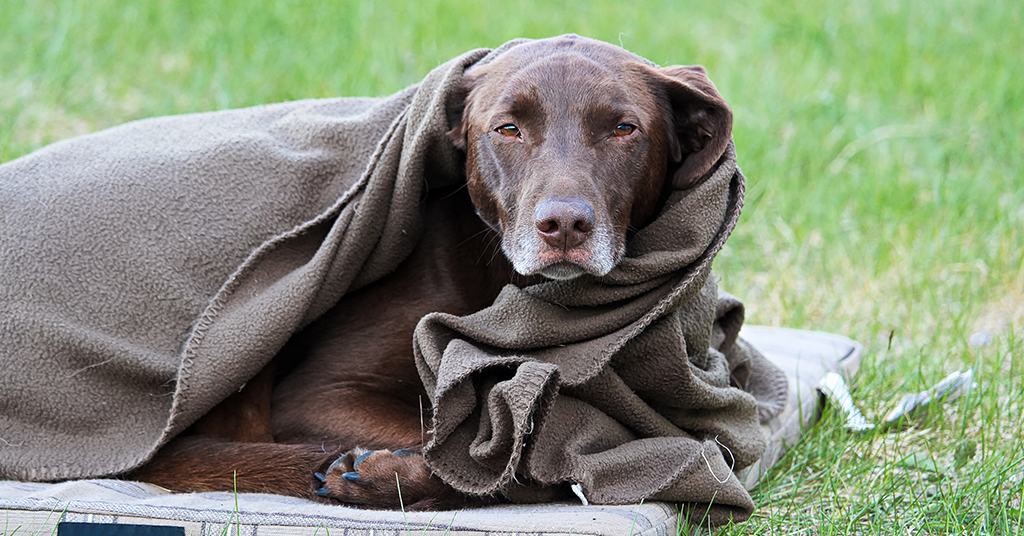
Dogs shake for many reasons, including cold, excitement, fear, pain, nausea, and certain medical conditions. Brief shaking that stops once the trigger goes away is usually normal, but shaking that is persistent, sudden, or paired with other symptoms like vomiting, weakness, or confusion calls for a veterinary visit.
“Why is my dog shaking?” is one of the most common questions pet owners ask, and for good reason. Trembling can look alarming, especially when you cannot spot an obvious cause. A Chihuahua quivering on a chilly morning and a Labrador shaking after getting into the trash are two very different situations, yet both can look similar at first glance. Understanding the context makes all the difference. At Boulder Veterinary Hospital, we help owners figure out whether their dog’s trembling is a harmless reaction or a sign that something needs medical attention. In this guide, we cover everyday reasons dogs shiver, medical conditions linked to shaking, how veterinarians identify and treat the cause, comforting ways to support an anxious dog, and the warning signs that mean it is time to call.
Why Do Dogs Shiver?
Many cases of trembling have simple, harmless explanations that pass on their own.
Feeling Cold
Just like people, dogs shiver to generate body heat. Small breeds, short-coated dogs, puppies, seniors, and lean breeds like Greyhounds and Whippets lose heat quickly. Boulder’s crisp mornings, early-season snow, and high-altitude winds can leave these dogs chilled even on short walks. Shivering from cold typically fades once your dog warms up indoors.
Excitement and Anticipation
Some dogs tremble with pure joy. You might notice shaking when you pick up the leash, return home after work, or reach for the treat jar. This type of shaking is usually accompanied by a wagging tail, bright eyes, and an eager body posture.
Fear, Stress, and Anxiety
Thunderstorms, fireworks, car rides, vet visits, and unfamiliar people can all cause a nervous dog to shake. Look for other stress signals alongside the trembling, such as a tucked tail, flattened ears, lip licking, yawning, panting, or hiding. Some dogs learn that trembling earns extra attention, so it can occasionally become a learned behavior as well.
Shaking Off Water or Waking Up
A full-body shake after a bath, a swim in Boulder Creek, or a nap is completely normal. Dogs also shake off after stressful moments, almost like hitting a reset button.
Medical Causes of Dog Shaking
When the everyday explanations do not fit, an underlying health issue may be behind the trembling.
Common Health-Related Causes
Shaking can be a symptom of many different conditions. Some of the most frequent medical causes veterinarians consider include:
- Pain: Arthritis, back problems, injuries, and abdominal pain often cause trembling, especially in dogs that otherwise act stoic.
- Nausea: Motion sickness, dietary indiscretion, and gastrointestinal upset can bring on shaking along with drooling and lip licking.
- Toxin exposure: Chocolate, xylitol, certain medications, and some plants can trigger tremors. In Colorado, accidental marijuana ingestion is a frequent cause of wobbliness and trembling in dogs.
- Low blood sugar: Toy breed puppies are especially vulnerable to drops in blood sugar that can cause weakness and shaking.
- Generalized tremor syndrome: Sometimes called “shaker syndrome,” this condition causes full-body tremors and is often seen in small, young adult dogs.
- Other illnesses: Kidney disease, Addison’s disease, distemper, and neurological disorders can all include shaking as a symptom.
Tremors Versus Seizures
It helps to know the difference between trembling and a seizure. During a tremor, a dog is usually alert and aware of surroundings. During a seizure, a dog may collapse, paddle the legs, lose bladder control, or seem unaware of you. Seizures are a medical concern that should always be discussed with your veterinarian, and any seizure lasting longer than a few minutes is an emergency.
Age-Related Trembling
Senior dogs commonly develop trembling in their hind legs. This can result from weakened muscles, arthritis, or nerve changes. While it is often a normal part of aging, it can also signal pain that deserves attention, so mention it during your dog’s next wellness visit.
How Veterinarians Diagnose and Treat Shaking
Because shaking is a symptom rather than a diagnosis, finding the cause is the first priority.
What to Expect at the Exam
Your veterinarian will ask when the shaking started, how long it lasts, and whether anything seems to trigger it. Mention any possible exposure to toxins, new foods, or medications, even if it feels unlikely. A short video of an episode can be extremely helpful. The physical exam usually includes checking temperature, heart rate, joints, abdomen, and neurological reflexes. Based on those findings, the vet may recommend bloodwork, a urinalysis, X-rays, or other tests to rule out specific conditions.
Details Worth Gathering Before the Appointment
A little preparation helps your veterinarian answer the question “why is my dog shaking?” more quickly. Before your visit, think through when episodes tend to happen, such as after meals, during walks, at night, or around certain people or noises. Note how long each episode lasts and whether your dog stays alert or seems confused. Check your home and yard for anything your dog may have chewed or swallowed, including medication bottles, gum wrappers, edibles, or garden products. Bring a list of any supplements, foods, or prescriptions your dog currently takes. These details can narrow the possibilities and sometimes reduce the number of tests needed.
Treatment Depends on the Cause
Once the cause is identified, the treatment plan is tailored to your dog. Pain may be addressed with prescription pain relief and joint care. Nausea or stomach upset may call for supportive care and anti-nausea medication. Toxin exposures sometimes need decontamination, IV fluids, and monitoring in the hospital. Conditions such as generalized tremor syndrome, Addison’s disease, or kidney disease have their own targeted treatments and follow-up plans. For anxiety-related trembling, your veterinarian may recommend behavior modification and, in some cases, prescription medication. Never give your dog human medications to calm shaking, since many are toxic to pets.
How to Calm a Shaking Dog
When fear, stress, or cold is behind the trembling, small changes at home can help your dog feel more secure.
Comfort Measures That Help Nervous Dogs
These strategies can support a shaky pup when you have already ruled out medical causes with your vet:
- Offer a cozy, quiet retreat, such as a covered crate or a bed in an interior room
- Use a fitted dog sweater or coat for small and short-coated breeds during cold walks
- Play soft background music or white noise to mask thunder or fireworks
- Speak in a calm, low voice and keep your own body language relaxed
- Maintain a predictable daily routine for meals, walks, and bedtime
Building Confidence Over Time
For dogs with ongoing fears, gradual desensitization and counterconditioning can make a real difference. This approach pairs a mild version of the scary trigger with something your dog loves, such as treats or play. A certified trainer or veterinary behaviorist can create a plan that matches your dog’s specific triggers and temperament. Patience matters here, since progress usually comes in small steps over several weeks or months rather than overnight.
When to See a Vet About Your Dog’s Shaking
If you are still asking yourself “why is my dog shaking?” after ruling out cold, excitement, and obvious stressors, it is time to get a professional opinion. Seek veterinary care promptly if shaking comes with any of these signs:
- Vomiting, diarrhea, or refusal to eat
- Weakness, stumbling, or collapse
- Possible ingestion of food, medication, cannabis, or chemicals
- Disorientation, seizures, or unresponsiveness
The team at Boulder Veterinary Hospital can examine your dog, pinpoint the cause of the trembling, and recommend a plan that brings relief. Need help figuring out why your dog is shaking? Call Boulder Veterinary Hospital at (303) 442-6262 to schedule an appointment.