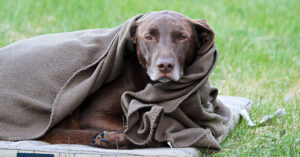
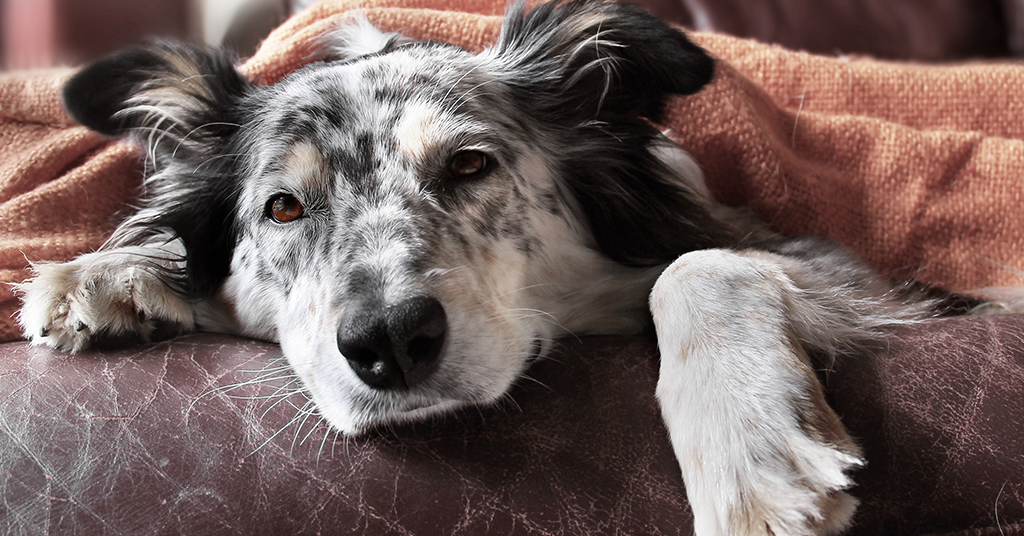
Yes, dogs can get colds, but not the same cold you catch. Dogs develop their own upper respiratory infections caused by canine-specific viruses and bacteria, and these illnesses can produce familiar signs like sneezing, coughing, and a runny nose.
When your dog starts sniffling during the same week your family is passing around tissues, it is natural to wonder whether everyone in the house caught the same bug. So, can dogs get colds from their owners? The short answer is reassuring: your dog almost certainly did not catch your cold. However, dogs have plenty of respiratory germs of their own, and some can turn into something more serious if they go unchecked. Fall and winter in Boulder bring more indoor time, holiday boarding, and busy daycare schedules, all of which give these germs more chances to spread. At Boulder Veterinary Hospital, we see an uptick in coughing and sneezing dogs this time of year. Below, we explain what a “cold” means for dogs, how they catch one, what symptoms to watch for, and how veterinarians diagnose and treat these infections.
Can Dogs Become Sick With the Common Cold?
Dogs do not get the human common cold, but they experience a very similar group of illnesses.
What a “Cold” Means in Dogs
When people ask whether dogs can get colds, they are usually describing what veterinarians call canine infectious respiratory disease complex, or CIRDC. This umbrella term covers a group of contagious infections that affect the nose, throat, and airways. You may also hear it called kennel cough. The organisms behind it include canine parainfluenza virus, canine adenovirus type 2, canine respiratory coronavirus, canine influenza, and bacteria such as Bordetella bronchiseptica and Mycoplasma. Many dogs are infected by more than one of these germs at the same time.
Can Dogs Get Human Illnesses?
The rhinoviruses that cause most human colds are adapted to people and generally do not infect dogs. That means sneezing near your dog while you are sick is very unlikely to make them ill. The reverse is mostly true as well, since canine respiratory viruses rarely affect humans. A small number of illnesses can cross between species in uncommon situations, so basic hygiene, like washing your hands, is always a good habit. For the typical household cold, though, you and your dog are coping with separate bugs.
Can Dogs Get Colds From Cats or Other Pets?
Multi-pet households often raise a related question: can dogs get colds from the family cat? For the most part, no. The feline herpesvirus and calicivirus that cause most cat colds do not infect dogs. One notable exception is Bordetella bronchiseptica, a bacterium that can pass between dogs and cats, and occasionally to rabbits and other small pets. If more than one animal in your home starts sneezing or coughing at the same time, let your veterinarian know so they can consider shared causes and recommend the right care for each pet.
How Do Dogs Catch a Cold?
Canine respiratory infections spread easily wherever dogs gather or share space.
Common Routes of Transmission
Infected dogs release germs into the air when they cough, sneeze, or bark. Nearby dogs can breathe in those droplets, especially in enclosed spaces. Germs also travel through direct nose-to-nose contact and through shared items like water bowls, toys, and bedding. Some organisms can survive on surfaces and on people’s hands or clothing for a period of time, which lets them hitch a ride from one dog to the next.
Where Dogs Are Most Likely to Be Exposed
Boarding facilities, doggy daycare, grooming salons, training classes, shelters, and busy dog parks all carry a higher risk simply because many dogs are in close contact. Dogs can also spread infection before they show any symptoms, and some continue shedding germs for days or weeks after they seem to feel better. That is why an outbreak can move through a group of dogs even when everyone appeared healthy at drop-off.
Dogs at Higher Risk
Puppies, senior dogs, unvaccinated dogs, and dogs with other health conditions tend to get sicker and recover more slowly. Short-nosed breeds such as Bulldogs and Pugs can also struggle more with respiratory infections because of their airway anatomy.
What Are the Signs of a Cold in Dogs?
Cold symptoms in dogs look a lot like what you would expect in a person, with a few dog-specific differences.
Symptoms to Watch For
Signs usually appear a few days after exposure. Your dog may show one or several of the following:
- A dry, honking cough, sometimes followed by gagging
- Sneezing
- Clear or cloudy nasal discharge
- Watery or goopy eyes
- Mild lethargy or less interest in play
- A slightly reduced appetite
- Low-grade fever
Many dogs with a mild infection stay fairly bright and continue eating. A dog that seems truly unwell, stops eating, or has trouble breathing may be dealing with something more serious, such as pneumonia.
Conditions That Can Look Like a Cold
Not every cough or sneeze comes from an infection. Seasonal allergies, reverse sneezing, tracheal collapse, heart disease, dental infections, and foreign objects in the nose can all cause similar signs. Because these problems need very different care, a veterinary exam is the best way to know what is really going on.
How Are Colds in Dogs Diagnosed and Treated?
Your veterinarian will combine your dog’s history with a physical exam to decide which steps make sense.
The Diagnostic Process
Expect questions about recent boarding, daycare, grooming, or dog park visits, along with your dog’s vaccination history. The exam usually includes listening carefully to the lungs, checking temperature, and looking at the eyes, nose, and throat. For mild cases in otherwise healthy dogs, this may be all that is needed. If symptoms are severe or not improving, the vet may recommend a respiratory PCR panel to identify the specific germs involved, chest X-rays to check for pneumonia, or bloodwork.
Treatment Options
Many mild canine colds clear up within one to three weeks. Treatment focuses on the cause and how sick your dog is. Depending on the case, your veterinarian may recommend rest, prescribe medication to calm a persistent cough, or prescribe antibiotics if a bacterial infection is suspected. Dogs with pneumonia sometimes need more intensive care, including hospitalization. Please never give your dog human cold or flu medicine. Many of these products contain ingredients such as decongestants, acetaminophen, or xylitol that are dangerous for dogs.
Prevention Tips
You cannot eliminate every risk, but a few habits go a long way toward protecting your pup:
- Keep core vaccines current, and ask your vet about Bordetella and canine influenza vaccines if your dog boards, attends daycare, or visits groomers
- Bring your own water bowl to parks and trailheads instead of using shared bowls
- Keep a coughing dog home from daycare, classes, and group play until your vet gives the all-clear
- Schedule regular wellness exams so health concerns are caught early
When to Call Your Vet About Your Dog’s Cold
Mild sniffles in an active, hungry dog may resolve on their own, but certain signs should never wait. Call your veterinarian promptly if your dog has rapid or labored breathing, thick yellow or green nasal discharge, a cough that lasts longer than a week or keeps getting worse, a refusal to eat, or noticeable weakness. Puppies, seniors, and flat-faced breeds deserve an earlier visit, since respiratory infections can progress faster in these dogs.
Whether you are wondering if your dog can get colds from other pups at daycare or you have noticed a new cough, the team at Boulder Veterinary Hospital is ready to help. We can examine your dog, discuss vaccine options for their lifestyle, and recommend a care plan that fits their needs.
Is your dog coughing or sneezing? Call Boulder Veterinary Hospital at (303) 442-6262 to schedule a visit.