
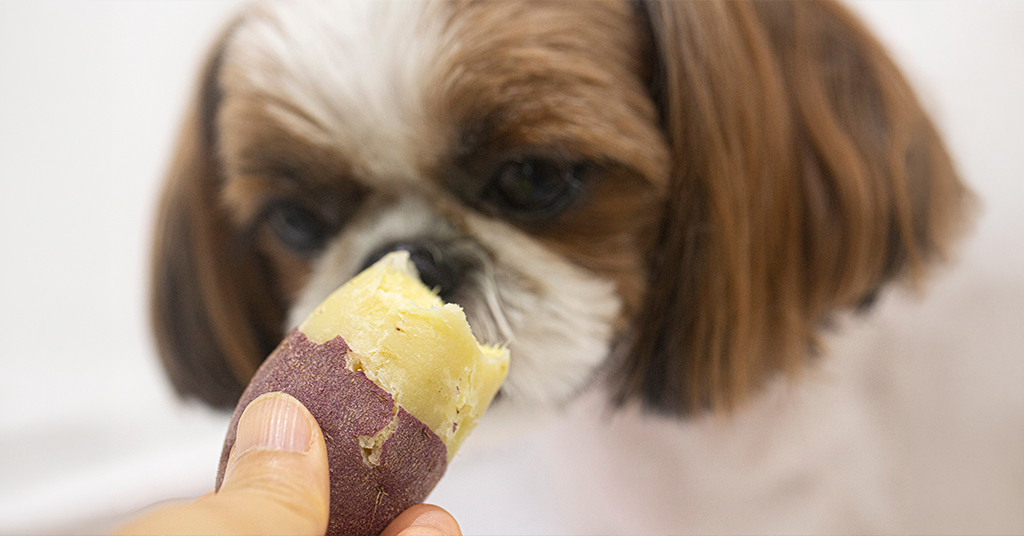
Yes, dogs can eat sweet potatoes when they are plain, fully cooked, and served in small amounts. This bright orange root vegetable offers fiber, vitamins, and antioxidants that can make it a smart occasional treat for many dogs. Still, the way you prepare sweet potatoes and how often you share them matter just as much as the food itself.
If you have ever stood in your kitchen holding a forkful of roasted sweet potato while your dog stares up at you, you are not alone. Pet owners across Boulder ask our team this question often, especially during the fall and holiday months when sweet potatoes show up on nearly every table. At Boulder Veterinary Hospital, we want you to feel confident about what goes into your dog’s bowl. Below, we break down the health benefits, the safest preparation methods, sensible portion sizes, and the situations where this popular vegetable may not be the right choice for your pup.
Why Are Sweet Potatoes Good for Dogs?
Sweet potatoes pack an impressive amount of nutrition into a naturally sweet, low-fat package that most dogs love.
Key Nutrients in Sweet Potatoes
Plain, cooked sweet potato contains several nutrients that support canine health. Here is what this vegetable brings to the table:
- Dietary fiber: Supports regular digestion and helps dogs feel full between meals.
- Beta-carotene: The body converts this antioxidant into vitamin A, which plays a role in vision, skin, and immune function.
- Vitamin C: Contributes to antioxidant activity and overall cellular health.
- Vitamin B6: Helps support brain function and red blood cell production.
- Potassium and manganese: Minerals that assist with muscle function, nerve signaling, and metabolism.
A Healthier Alternative to Many Store-Bought Treats
Many commercial dog treats contain added fats, artificial colors, and preservatives. A few cubes of plain sweet potato offer a whole-food option that is low in fat and free of additives. Because the flavor is naturally sweet, plenty of dogs treat it like a high-value reward, which makes it handy for training sessions. When owners ask whether dogs can eat sweet potatoes as a substitute for packaged snacks, the short answer is that a small portion often works well alongside a balanced diet.
Sweet potatoes also appear as an ingredient in many commercial dog foods. That said, the Food and Drug Administration has studied a possible link between certain grain-free diets heavy in legumes and potatoes and a heart condition called dilated cardiomyopathy (DCM). Research is ongoing, and an occasional treat is very different from a diet built around these ingredients. If you feed a grain-free formula or have questions about your dog’s food, ask your veterinarian for guidance tailored to your pet.
How Should I Prepare Sweet Potatoes for My Dog?
Preparation makes the biggest difference in whether sweet potatoes help or hurt your dog.
Always Cook Them First
Raw sweet potatoes are hard for dogs to chew and digest. Large chunks can upset the stomach or even create a choking or blockage risk. Baking, boiling, or steaming softens the flesh and makes the nutrients easier for your dog’s body to use. Let the sweet potato cool completely before serving it, then cut it into bite-sized pieces or mash it.
Skip the Seasonings and Toppings
The sweet potato dishes people enjoy rarely work for dogs. Holiday casseroles, fries, and pies often include ingredients that can upset your dog’s stomach or cause more serious problems. Before you share, make sure the sweet potato you offer contains none of the following:
- Butter, oil, or cream
- Brown sugar, maple syrup, or marshmallows
- Salt, garlic, or onion powder
- Nutmeg or heavily spiced pie seasonings
- Xylitol or other artificial sweeteners, which are toxic to dogs
Remove the Skin
Sweet potato skin is tough and fibrous. Peeling the vegetable before cooking lowers the chance of digestive upset and makes each piece easier to chew, particularly for small breeds and senior dogs.
What About Sweet Potato Chews?
Dehydrated sweet potato chews are widely sold in pet stores. Look for single-ingredient products made from sweet potato alone, and supervise your dog while they chew. Some dogs try to swallow large pieces whole, so choose a size that fits your dog’s mouth and chewing style.
How Much Sweet Potato Can a Dog Eat?
The right serving depends on your dog’s size, activity level, and overall diet, but moderation is the rule for every dog.
Follow the 10 Percent Treat Guideline
Veterinarians commonly recommend that treats of any kind make up no more than 10 percent of a dog’s daily calories. The remaining 90 percent should come from a complete and balanced dog food. Sweet potatoes fall into the treat category, so they should complement your dog’s regular meals rather than replace them.
General Serving Ideas by Dog Size
As a starting point, many owners offer roughly a teaspoon of cooked sweet potato for toy and small breeds, about a tablespoon for medium dogs, and up to a couple of tablespoons for large breeds. These amounts are rough estimates rather than strict rules. Your veterinarian can help you find the right amount based on your dog’s weight, age, and health needs.
Account for Other Treats and Table Scraps
Sweet potato rarely shows up alone. Training rewards, dental chews, and the occasional bite of cheese all count toward your dog’s daily treat allowance. On days when your dog already enjoys several snacks, consider offering a smaller piece of sweet potato or skipping it entirely. This approach helps prevent gradual weight gain, which is one of the most common issues veterinarians see in otherwise healthy dogs.
Can Dogs Eat Sweet Potatoes Every Day?
Some owners like to add a spoonful of sweet potato to every meal. While a tiny daily portion may suit some dogs, frequent feeding adds up in calories and carbohydrates over time. A few times a week works well for many pets, but your veterinarian can tell you whether a daily serving makes sense for your dog’s specific needs.
Introduce It Slowly
Any new food can surprise a dog’s digestive system. Start with a small piece and watch for changes over the next day or so, such as loose stool, gas, or vomiting. If your dog shows any of these signs, stop offering the sweet potato and contact your veterinary team.
When Are Sweet Potatoes Not a Good Fit for Your Dog?
While most healthy dogs handle small amounts well, sweet potatoes are not the best choice for every pet.
Dogs With Diabetes or Weight Concerns
Sweet potatoes are starchy and naturally high in carbohydrates. For dogs with diabetes, the extra carbs can affect blood sugar levels. For dogs that need to lose a few pounds, the added calories can slow progress. Talk with your veterinarian before adding any starchy treat to the menu.
Other Situations That Call for Caution
Certain health conditions and life stages make it wise to check with your vet first. Consider skipping sweet potatoes until you have professional input if your dog:
- Eats a prescription or therapeutic diet
- Has a history of food allergies or a sensitive stomach
- Has a history of bladder stones, since sweet potatoes contain oxalates
- Is a young puppy still adjusting to solid food
Watch for Signs That Something Is Wrong
Too much sweet potato, or a piece swallowed whole, can lead to stomach upset or, in rare cases, an intestinal blockage. Repeated vomiting, a swollen belly, straining to pass stool, or a sudden lack of appetite warrant a call to your veterinarian right away.
Talk With Boulder Veterinary Hospital About Your Dog’s Diet
So, can dogs eat sweet potatoes? For most healthy dogs, the answer is yes, as long as you serve them plain, cooked, peeled, and in modest portions. This versatile vegetable can make a nutritious, budget-friendly reward that fits easily into a balanced routine.
Every dog is different, though, and the best treat plan considers your pet’s age, weight, medical history, and current food. The team at Boulder Veterinary Hospital is happy to review your dog’s diet, answer questions about safe human foods, and help you build healthy habits that last a lifetime. Whether you are curious about holiday leftovers or want a full nutrition consultation, we are here to help Boulder pet owners make informed choices.
Have questions about feeding your dog sweet potatoes or other people foods? Call Boulder Veterinary Hospital at (303) 442-6262 to schedule an appointment with our caring veterinary team.