
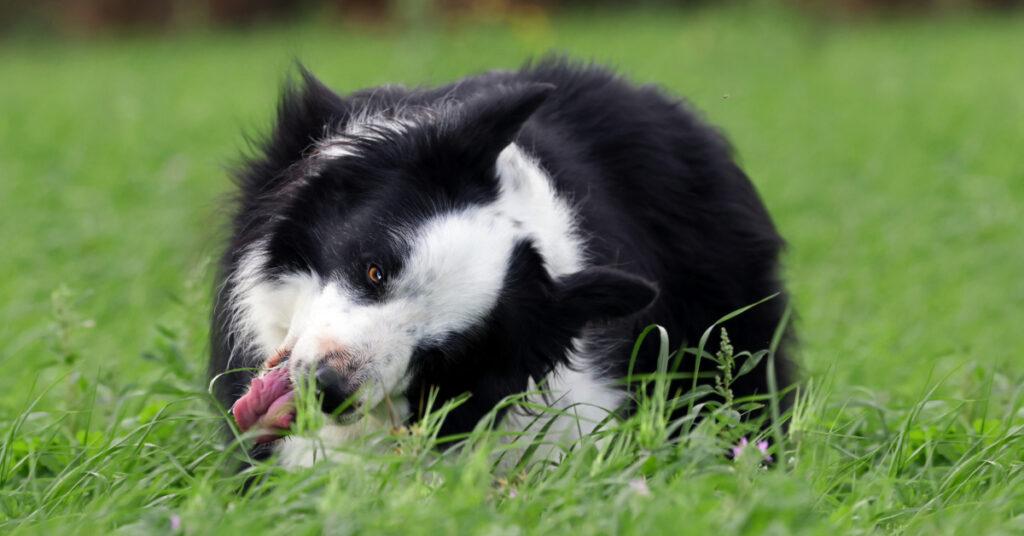
Dogs eat grass for a variety of reasons, and most of the time, it’s completely normal behavior. Whether your dog is grazing casually on a sunny afternoon or chomping away with surprising urgency, the “why” behind it matters more than you might think. From instinct and fiber needs to boredom and upset stomachs, the causes range from totally benign to worth a veterinary conversation. Read on to find out what’s really going on when your dog hits the lawn, and how to know when it’s time to call Boulder Veterinary Hospital.
Is It Normal for Dogs to Eat Grass?
Yes, in most cases, dogs eating grass is entirely normal behavior. Studies suggest that grass eating is one of the most common plant-related behaviors in domestic dogs, and the vast majority of dogs who eat grass appear perfectly healthy. So before you panic the next time your dog starts grazing in the backyard, take a breath. Chances are, they’re just being a dog.
That said, “normal” doesn’t always mean harmless. Understanding why your dog is eating grass helps you determine whether a vet visit is in order or whether you can simply redirect the behavior.
How Common Is Grass Eating in Dogs?
Research has shown that grass consumption is remarkably widespread among dogs. In one study, more than 68% of dog owners reported their pets eating plants regularly, with grass being the most commonly consumed. Interestingly, most of these dogs showed no signs of illness before or after eating grass, which challenges the popular myth that dogs only eat grass when they feel sick.
Top Reasons Why Dogs Eat Grass
Dogs are complex creatures, and there’s rarely a one-size-fits-all explanation for their behaviors. Below are the most common reasons why your dog might be eating grass and what each one could mean for their health.
Instinct and Ancestral Behavior
Long before dogs became our beloved household companions, their wild ancestors consumed plant matter as part of their natural diet. Wolves and wild canids regularly eat the stomach contents of their herbivore prey, which includes partially digested grasses and vegetation. This ancestral dietary pattern may be hardwired into your dog’s behavior, making grass eating a deeply instinctual act rather than a sign of something wrong.
Dietary Fiber Needs
One of the most practical reasons dogs eat grass is that it provides fiber. If your dog’s diet is lacking in roughage, they may naturally seek it out through grass consumption. Fiber supports healthy digestion and regular bowel movements, and some dogs instinctively gravitate toward grass when their gut needs a little extra help moving things along. This is one reason why dogs eating grass and then pooping more frequently isn’t unusual.
Upset Stomach or Gastrointestinal Discomfort
Many pet owners assume that dogs eat grass specifically to make themselves vomit when they feel nauseous. While this can be true in some cases, research suggests it’s not the primary driver. Only about 25% of dogs that eat grass actually vomit afterward. However, if your dog is eating grass frantically, gulping it down quickly, or appears distressed before eating it, an upset stomach may very well be the cause. Dogs eating grass and vomiting after is worth monitoring and discussing with your veterinarian.
Boredom or Behavioral Reasons
Sometimes, the reason your dog is eating grass has nothing to do with their physical health, it’s simply something to do. Dogs that don’t receive enough mental stimulation or physical exercise may turn to grass eating as a way to occupy themselves. If you notice your dog eating grass more when they seem restless, understimulated, or left alone for long periods, boredom could be the culprit.
They Simply Like the Taste
It might sound surprising, but some dogs just enjoy the taste and texture of grass, especially fresh spring grass that’s tender and sweet. Dogs explore the world through their mouths, and grass may simply be something your pup finds palatable. If your dog eats grass calmly, without urgency, and shows no signs of illness, this is likely the most benign explanation.
When Should You Be Concerned About Your Dog Eating Grass?
While grass eating is generally harmless, there are specific situations where it warrants closer attention. Our team at Boulder Veterinary Hospital encourages pet owners in Boulder, CO to pay attention to the context and frequency of their dog’s grass consumption.
- Sudden increase in grass eating: If your dog has recently started eating grass much more frequently than usual, this change in behavior may signal an underlying gastrointestinal issue worth investigating.
- Eating grass and vomiting repeatedly: Occasional vomiting after eating grass isn’t necessarily alarming, but repeated vomiting episodes suggest something more serious may be going on.
- Signs of distress before grass eating: Frantic grass eating accompanied by drooling, lip licking, restlessness, or a hunched posture could indicate significant nausea or abdominal discomfort.
- Eating grass and then having diarrhea or bloody stool: These symptoms together warrant an immediate veterinary evaluation.
- Lethargy or loss of appetite alongside grass eating: When grass eating is paired with other symptoms like fatigue, weight loss, or refusal to eat regular food, it’s time to call your vet.
Is Eating Grass Dangerous for Dogs?
Grass itself is generally not toxic to dogs. The bigger concern isn’t the grass, it’s what’s on the grass. Lawns treated with herbicides, pesticides, or chemical fertilizers can pose a real health risk to dogs that graze on treated areas. Similarly, certain ornamental plants and weeds that grow alongside grass can be toxic to dogs if ingested.
Risks of Grass Eating to Watch For
- Pesticide and herbicide exposure: Chemicals used in lawn care can cause vomiting, diarrhea, tremors, and serious systemic illness in dogs. Always know what products have been used on any lawn your dog has access to.
- Ingesting toxic plants: Many common backyard plants including certain mushrooms, clover, and ornamental grasses can be harmful to dogs. If you’re unsure whether something in your yard is safe, consult with our veterinarians at Boulder Veterinary Hospital.
- Intestinal parasites: Soil and grass can carry parasite eggs, particularly in areas where wildlife or other animals defecate. Regular parasite prevention is essential for dogs that spend a lot of time outdoors.
My Dog Is Eating Grass Every Day — Should I Be Worried?
Daily grass eating doesn’t automatically indicate a problem, especially if your dog is otherwise healthy, eating well, and showing no other concerning symptoms. Some dogs are simply habitual grass eaters. However, if your dog is eating grass every day and you’re noticing other changes, like shifts in their energy level, appetite, stool quality, or overall demeanor, it’s worth scheduling a visit with your veterinarian to rule out any underlying issues.
At Boulder Veterinary Hospital, our veterinary team takes a whole-picture approach to pet health. We won’t just look at the grass eating in isolation. We’ll evaluate your dog’s diet, lifestyle, and overall health to give you the most accurate, personalized guidance possible.
Can You Stop a Dog From Eating Grass?
If your dog’s grass eating is purely behavioral, there are general strategies that may help reduce the habit. Ensuring your dog receives plenty of daily exercise and mental enrichment is a great starting point. Interactive toys, training sessions, and regular playtime can all help redirect a bored dog’s attention. You might also consider whether your dog’s diet is providing adequate fiber. A conversation your veterinarian can help guide.
That said, trying to eliminate the behavior entirely isn’t always necessary or realistic. As long as your dog is grazing on untreated grass in a safe environment and remaining healthy otherwise, occasional grass eating is simply part of life with a dog.
What Does a Veterinarian Look for When a Dog Eats Grass Excessively?
If you bring your dog to Boulder Veterinary Hospital because of excessive grass eating, here’s what our team will typically evaluate:
- Gastrointestinal health: Conditions like inflammatory bowel disease, gastric reflux, or intestinal parasites can drive persistent grass eating. A physical exam and diagnostic testing can help identify these issues.
- Nutritional status: Your vet will assess whether your dog’s current diet is nutritionally complete and whether any deficiencies could be contributing to the behavior.
- Behavioral history: Understanding your dog’s daily routine, level of enrichment, and any recent environmental changes helps paint a fuller picture of what’s driving the behavior.
When to Schedule a Vet Appointment for a Dog That Eats Grass
Not every grass-eating dog needs a vet visit, but some situations call for professional evaluation sooner rather than later. Schedule an appointment at Boulder Veterinary Hospital if your dog is eating grass and vomiting frequently, if you notice blood in their stool or vomit, if they’re showing signs of significant abdominal pain, or if the behavior began suddenly without any obvious cause.
Our team is here to help you understand your dog’s behavior and support their health at every stage of life. Whether you have a casual question about why dogs eat grass or you’re concerned about a more serious symptom, our veterinarians and staff at Boulder Veterinary Hospital in Boulder, CO are ready to help. Give us a call at (303) 442-6262 or book an appointment online today.