
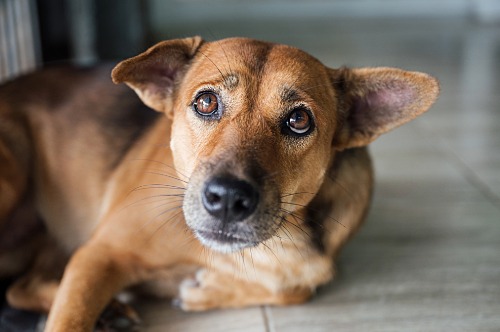
Sometimes the shift from “my dog seems off” to “we should call an urgent vet” happens in minutes. Other times, it builds quietly over a long afternoon of pacing, whining, or unusual behavior. Knowing how to recognize those moments can make a meaningful difference in how quickly your dog receives care. While not every concern requires emergency treatment, certain signs deserve prompt attention from an urgent vet who can evaluate your dog and guide next steps.
The Difference Between Urgent and Emergency Care
Understanding the difference between urgent and emergency veterinary care helps pet owners act with confidence rather than panic. Emergency care typically involves life-threatening conditions such as severe trauma, collapse, uncontrolled bleeding, or difficulty breathing. These situations require immediate transport to an emergency veterinary facility without delay.
Urgent care, on the other hand, addresses problems that are serious, painful, or rapidly worsening but not immediately life-threatening. An urgent vet visit allows your dog to be evaluated, stabilized if needed, and treated before the issue progresses. Many urgent conditions fall into a gray area where waiting until the next routine appointment may place your dog at risk.
Choosing an urgent vet also helps relieve pressure on emergency clinics while still giving your dog timely medical attention. When in doubt, contacting Boulder Veterinary Hospital at (303) 442-6262 allows a professional team to help determine the most appropriate level of care. Acting sooner rather than later often leads to better outcomes and greater peace of mind.
How to Tell When Your Dog Needs an Urgent Vet Visit
Dogs communicate discomfort through behavior, posture, and subtle physical changes. As a pet owner, recognizing those signals helps you decide when to call an urgent vet instead of waiting for a routine visit. Some symptoms appear suddenly, while others develop gradually, but both can indicate that your dog needs prompt attention.
The signs below highlight situations where an urgent vet visit is often the safest next step. These symptoms do not always signal an emergency, but they do suggest that professional evaluation should not be delayed. If you notice any of the following, seek urgent vet care at Boulder Veterinary Hospital by calling (303) 442-6262 or requesting an appointment online for guidance.
Persistent Vomiting or Diarrhea
Occasional stomach upset can happen, but repeated vomiting or ongoing diarrhea often signals a deeper concern. Dehydration can develop quickly, especially in puppies, senior dogs, and smaller breeds. Lethargy, refusal to eat, or abdominal discomfort alongside digestive upset increases the need for an urgent vet visit.
This type of symptom may stem from dietary indiscretion, stress, parasites, infections, or exposure to toxins. While mild cases sometimes resolve with rest and hydration, persistent episodes should never be ignored. Waiting too long can lead to electrolyte imbalances and weakness.
An urgent vet can assess hydration, pain, and overall stability while determining whether further testing is needed. Prompt evaluation helps prevent minor digestive issues from becoming serious complications.
Sudden Lameness or Inability to Walk
When a dog suddenly limps, refuses to bear weight, or struggles to stand, it often alarms even the most experienced pet owner. This change may indicate injury, joint problems, spinal issues, or internal pain. Dogs naturally hide discomfort, which makes sudden mobility changes especially concerning.
An urgent vet visit allows professionals to examine joints, muscles, and neurological responses. Early evaluation can prevent worsening injury and guide appropriate activity restriction. In some cases, imaging or supportive care may be recommended to protect long-term mobility.
Difficulty Breathing or Excessive Coughing
Breathing should appear effortless and quiet. When it becomes labored, rapid, or noisy, it signals a serious problem. Coughing fits, gagging, or open-mouth breathing deserve immediate attention from an urgent vet.
Respiratory issues can result from infections, allergies, heart disease, airway obstructions, or fluid accumulation. Dogs experiencing breathing difficulty often appear anxious or restless. These signs should never be monitored at home without veterinary guidance, as an urgent vet can assess oxygen levels, lung sounds, and overall stability.
Uncontrolled Bleeding or Deep Wounds
Minor scrapes may heal with basic cleaning, but deep wounds or bleeding that does not stop within several minutes require urgent care. Punctures, bites, and lacerations can hide underlying tissue damage and infection risk.
While gentle pressure with a clean cloth may help slow bleeding, professional evaluation remains essential. An urgent vet can properly clean, assess, and close wounds when appropriate. This approach lowers the risk of infection and promotes smoother healing.
Sudden Behavior Changes or Confusion
Behavior changes often reveal underlying medical problems. Disorientation, pacing, vocalizing, or uncharacteristic aggression may indicate pain, neurological concerns, or systemic illness. These shifts rarely occur without cause.
An urgent vet visit allows careful evaluation of vital signs, neurological responses, and physical comfort. Early assessment helps rule out serious conditions and provides reassurance for pet owners.
Ingestion of a Foreign Object or Toxin
Dogs explore the world with their mouths, which sometimes leads to swallowed objects or exposure to harmful substances. Toys, bones, medications, household products, and certain foods can all pose risks.
If ingestion is suspected, an urgent vet visit is essential even if symptoms have not started. Early evaluation allows professionals to determine whether monitoring, imaging, or supportive care is necessary.
Delaying care may allow toxins to absorb or objects to move deeper into the digestive tract. Acting quickly gives your dog the best chance for a smooth recovery.
Severe Pain or Constant Whining
Pain often presents as restlessness, trembling, hiding, or vocalizing. Some dogs become withdrawn, while others pace continuously. Any sign of ongoing discomfort should prompt an urgent vet visit.
Pain can originate from internal conditions, injuries, dental problems, or gastrointestinal distress. Dogs rely on owners to recognize these signals and seek help. An urgent vet can evaluate pain sources and recommend appropriate next steps to support comfort and healing.
Eye Injuries or Sudden Vision Changes
Eyes are delicate and highly sensitive. Squinting, redness, discharge, or visible injury requires urgent veterinary attention. Vision changes may also appear as bumping into objects or reluctance to move.
An urgent vet can examine eye health and prevent worsening damage. Early care often preserves vision and reduces pain. Eye problems rarely improve without professional evaluation, making prompt attention essential.
Call Boulder Veterinary Hospital
If your dog shows any of these signs, trust your instincts and contact Boulder Veterinary Hospital. Our experienced team provides compassionate, timely care when your dog needs an urgent vet. Call (303) 442-6262 or request an appointment online.
Your dog depends on you to recognize when something is not right. Choosing prompt evaluation supports safety, comfort, and peace of mind for both of you.
When Paying Attention Makes All the Difference
Recognizing the signs that lead to an urgent vet visit empowers pet owners to act with confidence. Quick decisions often prevent minor problems from becoming major ones. By staying observant and responsive, you give your dog the best chance for a healthy recovery.
When in doubt, Boulder Veterinary Hospital remains ready to help guide your next step. A timely call today may protect your dog’s tomorrow.