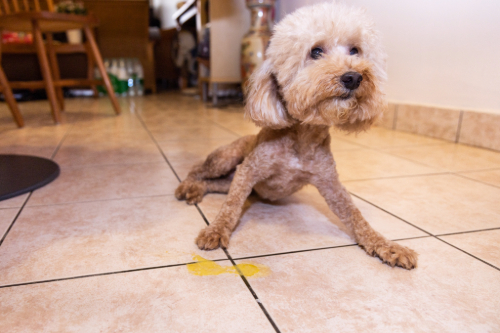
If you have ever woken up to the sound of retching and found a small puddle of yellow foam on the floor, you are not alone. A dog vomiting yellow bile is one of the most common concerns pet owners bring to their veterinary team, and it can feel alarming even when your dog seems otherwise normal. This yellow liquid often appears suddenly, smells sharp, and raises immediate questions about whether something serious is happening. In many cases, it points to irritation in the stomach or digestive system, but the reasons behind it can vary widely. Understanding what that yellow bile means helps you feel more confident about what to watch for and when to reach out for professional care.
What Is Yellow Bile in Dogs?
Yellow bile is a digestive fluid produced by the liver and stored in the gallbladder before it moves into the small intestine. Its job is to help break down fats and support normal digestion, which means it usually stays inside the intestinal tract where it belongs. When you see it in vomit, it often appears bright yellow, pale gold, or mixed with foam because it has combined with stomach acid and air. A dog vomiting yellow often happens when the stomach is empty or irritated, allowing bile to move backward into the stomach instead of forward through digestion.
Bile itself is not harmful, but its presence in vomit tells you that your dog’s digestive balance is off in some way. This could be related to timing of meals, mild inflammation, stress, or dietary changes. Some dogs only experience this once, while others show a pattern that repeats over time. Paying attention to frequency, color, and your dog’s behavior gives helpful clues about what may be going on internally.
It also helps to note whether the vomit contains food, grass, or just liquid. Pure yellow bile usually looks thin and foamy, while bile mixed with food may appear thicker. These details matter when you describe symptoms to your veterinary team at Boulder Veterinary Hospital. They allow the care team to better understand what may be irritating your dog’s stomach and digestive system.
Why Is My Dog Throwing Up Yellow?
There is no single cause behind a dog vomiting yellow bile, which is why it can feel confusing for pet owners. In many situations, it relates to an empty stomach, especially in dogs that go long hours between meals. When the stomach sits empty, bile can irritate the lining and trigger vomiting. This is often seen early in the morning or late at night.
Other times, yellow vomiting points to digestive upset from food changes, rich treats, or mild dietary sensitivities. Dogs that eat quickly, scavenge outdoors, or chew on nonfood items may also irritate their stomach lining. Stress can play a role too, especially in dogs that react strongly to changes in routine, travel, or loud environments.
Some common contributors include:
- Skipped meals or long gaps between feedings
- Sudden changes in diet or treats
- Eating grass, leaves, or unfamiliar objects
- Motion stress or anxiety
- Mild stomach inflammation
In more persistent cases, a dog vomiting yellow can be associated with conditions involving the stomach, liver, pancreas, or intestines. If your dog vomits yellow bile often, seems uncomfortable, or shows other changes like lethargy or appetite loss, it is time to involve a professional.
When Vomiting Yellow Becomes a Pattern
Occasional vomiting may not raise concern, but patterns do. Dogs that vomit yellow bile several times a week, especially at the same time of day, may be dealing with recurring stomach irritation. Some dogs experience what pet owners call “hunger pukes,” while others show signs tied to food intolerance or digestive sensitivity. Tracking when it happens, what your dog ate before, and how they act afterward helps your veterinarian connect the dots.
Patterns can also reveal whether the issue relates to feeding schedules, portion sizes, or lifestyle factors. Even small adjustments can sometimes reduce stomach irritation, but those changes should always follow guidance from your veterinary team rather than guesswork.
What To Do if Your Dog Is Throwing Up Yellow
Seeing your dog vomiting yellow can make you feel unsure about how to respond. Start by observing your dog closely. Notice their energy level, interest in food, and overall comfort. A single episode followed by normal behavior often resolves on its own, while repeated episodes deserve more attention.
You can support your dog by focusing on gentle routines that reduce stomach stress. Keeping a consistent feeding schedule helps many dogs avoid long periods with an empty stomach. Offering meals in a calm environment also reduces stress-related digestive upset. Fresh water should always be available, but if your dog just vomited, allow small sips instead of large gulps.
Helpful steps to keep in mind include:
- Monitor how often your dog vomits yellow bile
- Note changes in appetite, energy, or stool
- Keep feeding times consistent each day
- Avoid sudden food or treat changes
- Prevent access to grass, trash, or table scraps
When you call Boulder Veterinary Hospital, sharing these details allows the team to better guide you on next steps. If vomiting continues, worsens, or appears alongside other symptoms, professional evaluation becomes especially important.
How Do You Settle a Dog’s Stomach After Vomiting?
After a dog throws up yellow bile, many pet owners want to help their dog feel comfortable again. Rest plays a major role in recovery, so encourage calm activity and quiet time. Avoid intense play or exercise right after vomiting, since movement can further upset the stomach.
Gentle routines often support digestive balance. Keeping feeding schedules steady and portions appropriate for your dog’s size can reduce stomach irritation. Some dogs benefit from smaller, more frequent meals, which prevent the stomach from staying empty for long periods. This approach may help reduce bile buildup that leads to vomiting.
You can also focus on hydration. Offer clean water in small amounts and observe how your dog responds. If your dog drinks and keeps it down without further vomiting, that is a positive sign. If vomiting continues, it signals that your dog needs veterinary guidance rather than home adjustments.
Signs Your Dog May Need Veterinary Care
While occasional dog vomiting yellow may resolve, certain signs mean it is time to call Boulder Veterinary Hospital:
- Vomiting happens multiple times in one day
- Vomit contains blood or dark material
- Your dog appears weak, painful, or withdrawn
- Appetite does not return within a day
- Diarrhea or fever appears alongside vomiting
These signs indicate that your dog’s stomach upset may involve more than mild irritation. Prompt evaluation helps protect your dog’s comfort and long-term health.
A Healthier Belly Starts With Awareness
A dog vomiting yellow bile is one of those symptoms that looks simple on the surface but carries important meaning underneath. By understanding what bile is, why it appears in vomit, and how to respond, you feel more confident as a pet owner. More importantly, you stay prepared to act when your dog needs professional care.
If your dog continues vomiting yellow, shows discomfort, or simply does not seem like themselves, contact Boulder Veterinary Hospital today at (303) 442-6262 or request an appointment online. A healthier belly often begins with one thoughtful phone call and a team that knows how to support both you and your dog.