Cat drooling can be normal when it happens during purring, kneading, or deep relaxation. Drooling that appears suddenly, lasts more than a short time, smells bad, contains blood, or comes with pawing at the mouth or appetite changes may signal dental disease, nausea, toxin exposure, or another health problem that needs a veterinarian.
Unlike many dogs, most cats keep their mouths tidy, so spotting a wet chin or a damp spot on your lap can catch you off guard. Some cats drool only when they are blissfully content, and for them, a little moisture is a sign of affection. For other cats, drooling is a quiet distress signal from a species that rarely complains out loud. Telling the two apart comes down to context, timing, and the other behaviors you notice. At Boulder Veterinary Hospital, we regularly help cat owners figure out whether a slobbery moment is sweet or something worth checking. This guide walks through the happy reasons cats drool, the situations that call for closer observation, the health conditions linked to excess saliva, and the clues that help you decide when to bring your cat in.
When Cat Drooling Is Simply Sweet
Some cats drool simply because they feel safe, relaxed, and loved.
Purring, Kneading, and Contentment
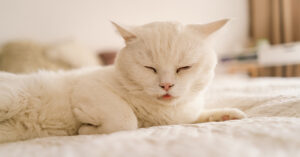
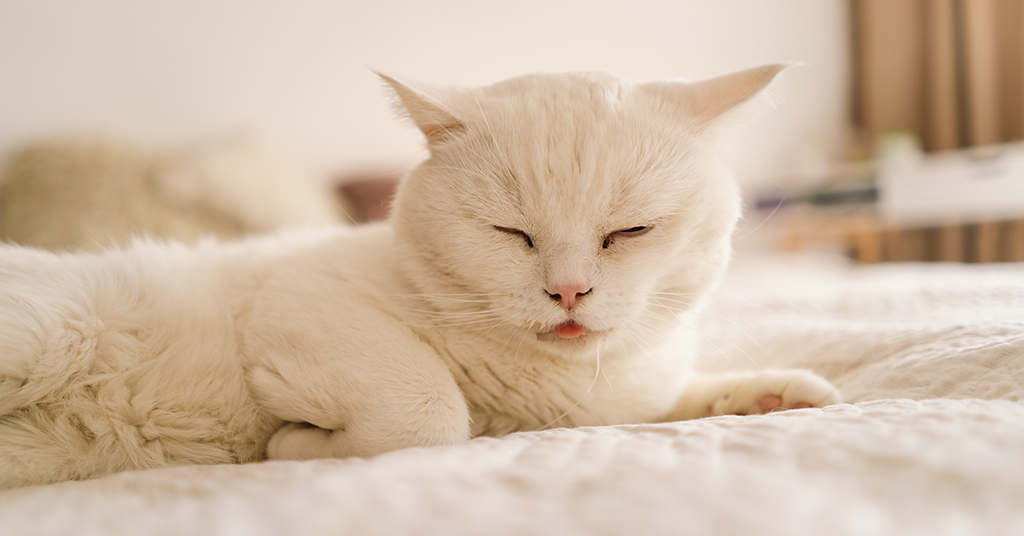
Many cats drool while being petted, especially when they are purring and kneading with their front paws. Experts believe this behavior traces back to kittenhood, when kneading against their mother stimulated milk flow and drooling went hand in hand with nursing. As adults, some cats revert to that same response whenever they feel deeply comfortable. If your cat drools only during cuddle sessions and otherwise eats, plays, and grooms normally, this is usually nothing more than a sign of a strong bond.
Anticipation of a Meal
The smell of a favorite food can make some cats salivate, just as the aroma of fresh bread might make your mouth water. A brief bout of drooling at mealtime that stops once your cat eats is generally harmless.
Deep Sleep
Occasionally, a cat in a very relaxed sleep may let a bit of saliva escape. As long as it is occasional and your cat wakes up acting normal, there is typically no cause for concern.
Cat Drooling Situations That Deserve a Second Look
Certain circumstances can trigger drooling that is temporary but still worth paying attention to.
Stress, Fear, and Car Rides
Car trips, vet visits, moving to a new home, and loud events can make a nervous cat drool. Motion sickness is another common culprit during travel. In these cases, drooling usually stops once your cat settles down or the trip ends. If your cat drools every time you travel, mention it to your veterinarian, who can discuss options to make future trips easier.
A Bitter or Unpleasant Taste
Cats often foam or drool heavily after tasting something bitter, such as an oral medication or a topical product they licked off their fur. This reaction is usually short-lived. However, certain flea and tick products designed for dogs contain permethrin, which is highly toxic to cats. If your cat may have come into contact with a dog flea product, contact your veterinarian or an emergency clinic right away.
Overheating and Overexertion
Cats rarely pant, so open-mouth breathing paired with drooling is not something to brush off. A cat who has been playing hard, shut in a warm room, or left in a hot car may drool as their body struggles to cool down. While a few seconds of panting after an intense play session can happen, cat drooling combined with heavy panting, restlessness, or bright red gums may point to heat stress, which is an emergency.
Something Stuck in the Mouth
Thread, string, grass, small bones, and splinters from chew toys can lodge between teeth, under the tongue, or in the back of the throat. A cat with something stuck in the mouth may drool, paw at the face, gag, or refuse food. If you see string or thread in your cat’s mouth, do not pull on it, since it may be attached to something farther down the digestive tract. Bring your cat to a veterinarian instead.
Hidden Health Concerns Behind Cat Drooling
When drooling is persistent or new, an underlying medical problem is often the cause.
Conditions Veterinarians Commonly Find
A wide range of health issues can lead to excessive saliva in cats. Some of the most frequent include:
- Dental disease: Gingivitis, periodontal disease, and painful tooth resorption are among the leading causes of drooling in adult cats.
- Stomatitis: A severe, painful inflammation of the gums and mouth tissues that can make eating difficult.
- Oral tumors: Growths in the mouth, such as squamous cell carcinoma, are more common in older cats and may cause drooling, bad breath, or bleeding.
- Upper respiratory infections: Feline calicivirus can cause painful ulcers on the tongue and gums.
- Toxin exposure: Toxic plants, household cleaners, essential oils, and certain medications can trigger heavy drooling.
- Kidney disease: Advanced kidney problems can cause mouth ulcers and nausea that lead to drooling.
- Injuries: Chewing on electrical cords, oral trauma, or a broken tooth can all produce excess saliva.
Why Cats Hide Mouth Pain
Cats are skilled at concealing discomfort. Many cats with serious dental pain keep eating, sometimes by swallowing kibble whole or chewing on one side. Drooling may be one of the few visible clues that something hurts. Routine dental exams during wellness visits help catch these issues before they progress.
How Veterinarians Find the Source
Pinpointing the cause of cat drooling usually starts with a thorough physical and oral exam. Many cats will not allow a close look at the back of the mouth while awake, so your veterinarian may recommend sedation for a complete evaluation. Dental X-rays reveal problems hidden below the gumline, such as tooth resorption and root infections. Bloodwork and a urinalysis help check kidney and liver function, while a biopsy may be needed if a growth is found. Treatment then follows the diagnosis, whether that means a dental procedure, medication, or another targeted plan.
Clues to Watch: Is It Normal or Not?
Paying attention to the details around your cat’s drooling can help you and your veterinarian sort harmless habits from health problems.
Questions to Ask Yourself
Use these observations to build a clearer picture before you call:
- Does the drooling happen only during petting or meals, or at random times?
- Is it new, or has your cat always done this?
- Does the saliva look clear, foamy, thick, or tinged with blood?
- Do you notice a foul odor coming from your cat’s mouth?
- Is your cat dropping food, chewing on one side, or eating less?
- Have you seen pawing at the face, swelling, or reluctance to be touched near the mouth?
Patterns That Point Toward a Problem
Drooling tied to purring and affection that has been present for years is usually harmless. In contrast, cat drooling that shows up suddenly in an older cat, increases over time, or comes with any change in eating habits, grooming, or behavior is a strong reason to schedule an exam. A cat who stops grooming may have a matted or messy chin and chest, which is another clue that the mouth may be uncomfortable.
When to Call the Vet About Cat Drooling
Some drooling can wait for a scheduled appointment, but certain signs warrant same-day care. Contact your veterinarian promptly if your cat shows:
- Sudden, heavy drooling with no obvious cause
- Possible exposure to a toxin, plant, or chemical
- Bleeding from the mouth or facial swelling
- Difficulty breathing, vomiting, weakness, or collapse
Even mild cat drooling that lingers for more than a day or two deserves a professional look. The veterinarians at Boulder Veterinary Hospital can examine your cat’s mouth, recommend dental care or diagnostics if needed, and help your feline friend feel comfortable again. Wondering whether your cat’s drooling is normal? Call Boulder Veterinary Hospital at (303) 442-6262 to schedule a visit.