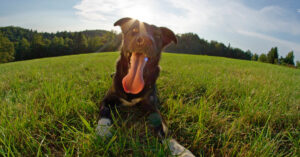

Bad breath in dogs often starts as a small nuisance and slowly turns into something you can no longer ignore. One day, you lean in for a cuddle, and the smell stops you in your tracks. If you have been searching for how to get rid of bad breath in dogs, you are not alone. While an occasional odor can come from food or normal mouth bacteria, persistent dog breath usually points to plaque buildup, gum irritation, or other oral concerns. The good news is that with consistent care and a little guidance, many dogs can enjoy fresher breath and healthier mouths.
Why Does My Dog Have Bad Breath?
Dog breath rarely appears without a reason. In most cases, odor develops when bacteria in the mouth feed on leftover food particles and release sulfur-like compounds. Over time, this process leads to plaque and tartar, which irritate the gums and deepen the smell. If you want to understand how to get rid of bad breath in dogs, it helps to first understand what causes it.
Dental hygiene plays the largest role, but it is not the only factor. Diet, chewing habits, and even hydration levels can influence how your dog’s mouth smells. Dogs that primarily eat soft food may develop plaque faster because there is less natural abrasion on the teeth. Dogs that rarely chew toys or dental treats also miss out on natural cleaning benefits.
Some of the most common contributors to bad breath include:
- Plaque and tartar buildup
- Gum irritation or early periodontal disease
- Food debris or fur trapped between teeth
- Low water intake
- Chewing on non-food objects
Occasional odor after a meal is normal. Persistent, strong odor usually signals that bacteria have had time to settle and multiply. Addressing this early makes a noticeable difference in both breath and overall oral comfort.
How to Get Rid of Your Dog’s Bad Breath
Learning how to get rid of bad breath in dogs does not require complicated routines, but it does require consistency. Small daily habits often have a greater impact than occasional deep cleanings at home. The goal is to limit bacteria, reduce plaque, and support gum health without turning oral care into a struggle.
Build a Daily Oral Care Routine
Dogs benefit from routine just like people do. A daily or near-daily brushing habit helps remove plaque before it hardens into tartar. Use a dog-specific toothbrush and toothpaste, since human products can upset your dog’s stomach. Start slowly, allow your dog to get used to the process, and keep sessions calm and positive.
Brushing works best when paired with gentle handling and praise. Even short sessions make a difference when done consistently. Over time, many dogs accept brushing as part of their normal routine.
Daily habits that support fresher breath include:
- Brushing with pet-safe toothpaste
- Offering dental chews designed to reduce plaque
- Providing fresh water at all times
- Cleaning food and water bowls regularly
Choose Dental-Friendly Chews and Treats
Chewing plays an important role in how to get rid of bad breath in dogs. Dental treats and textured chews help scrape plaque from the tooth surface while your dog enjoys the activity. Look for products labeled for dental support and choose sizes that match your dog’s breed and chewing strength.
Chews should complement brushing, not replace it. Think of them as helpful reinforcements rather than complete solutions. When used together, brushing and dental chews provide better results than either method alone.
Helpful chew options include:
- Vet-approved dental chews
- Rubber chew toys with ridges
- Rope toys designed for gentle abrasion
Avoid hard objects that could damage teeth or pose a health hazard, such as cooked bones or overly rigid toys.
Support Fresh Breath Through Diet
Food influences oral health more than many pet owners realize. Dry kibble can help reduce plaque slightly through texture, while soft food may cling to teeth more easily. Mixing textures or offering dental-specific diets can support cleaner teeth.
Hydration also matters. Fresh water helps rinse away food particles and bacteria throughout the day. If your dog drinks less than usual, consider placing multiple water bowls around your home.
Small dietary adjustments often enhance the effectiveness of other breath-control efforts and support overall comfort.
Use Breath-Freshening Products Carefully
Many pet stores offer sprays, gels, and water additives designed to freshen breath. These products can help reduce odor temporarily and support oral hygiene when used properly. They work best as part of a larger routine that includes brushing and chewing.
When selecting these items, choose products specifically made for dogs and follow directions closely. These products should support your efforts, not replace them.
How Long Does It Take to See Results?
Most pet owners notice improvement within a few weeks of consistent care. Breath becomes less intense, and teeth often look cleaner along the gumline. Results vary depending on starting dental condition, but steady habits usually deliver noticeable progress.
When To Call the Vet
Sometimes, even the best home routine cannot fully resolve odor. If you have tried multiple methods for how to get rid of bad breath in dogs and the smell persists, it may be time to seek professional guidance. Veterinary dental exams help identify hidden issues that cannot be seen at home.
Strong odor combined with visible tartar, red gums, drooling, or changes in appetite often points to deeper oral concerns. Professional cleanings remove hardened buildup that brushing cannot eliminate. These cleanings also allow your veterinarian to examine teeth below the gumline.
You should contact Boulder Veterinary Hospital if you notice:
- Persistent bad breath despite home care
- Red, swollen, or bleeding gums
- Loose or discolored teeth
- Difficulty chewing
- Behavioral changes linked to mouth discomfort
What Happens During a Dental Visit?
Your veterinarian examines your dog’s mouth, reviews dental history, and discusses cleaning options. Dog teeth cleaning at Boulder Veterinary Hospital removes plaque and tartar safely while allowing a full evaluation of the teeth and gums. This process often restores noticeably fresher breath.
Bringing It All Together for Fresher Smiles
Learning how to get rid of bad breath in dogs starts with understanding the cause, building steady habits, and knowing when to ask for professional support. Fresh breath reflects a healthier mouth, greater comfort, and a happier daily experience for your dog. When oral care becomes part of your routine, it stops feeling like a chore and starts feeling like a small investment in long-term wellness.
If your dog’s breath continues to concern you or you want guidance on dental care options, Boulder Veterinary Hospital is here to help. Call (303) 442-6262 or request an appointment online to give your dog the confidence of a healthier, fresher smile.